Nourishing the Fourth Trimester: The Best Foods for Lactation Support and Postpartum Recovery in Bali
Recovering from childbirth requires more than just rest; it requires targeted nutrition. Explore the science-backed and traditional foods that support milk supply, hormonal balance, and tissue repair during your sacred postpartum transition in Bali.
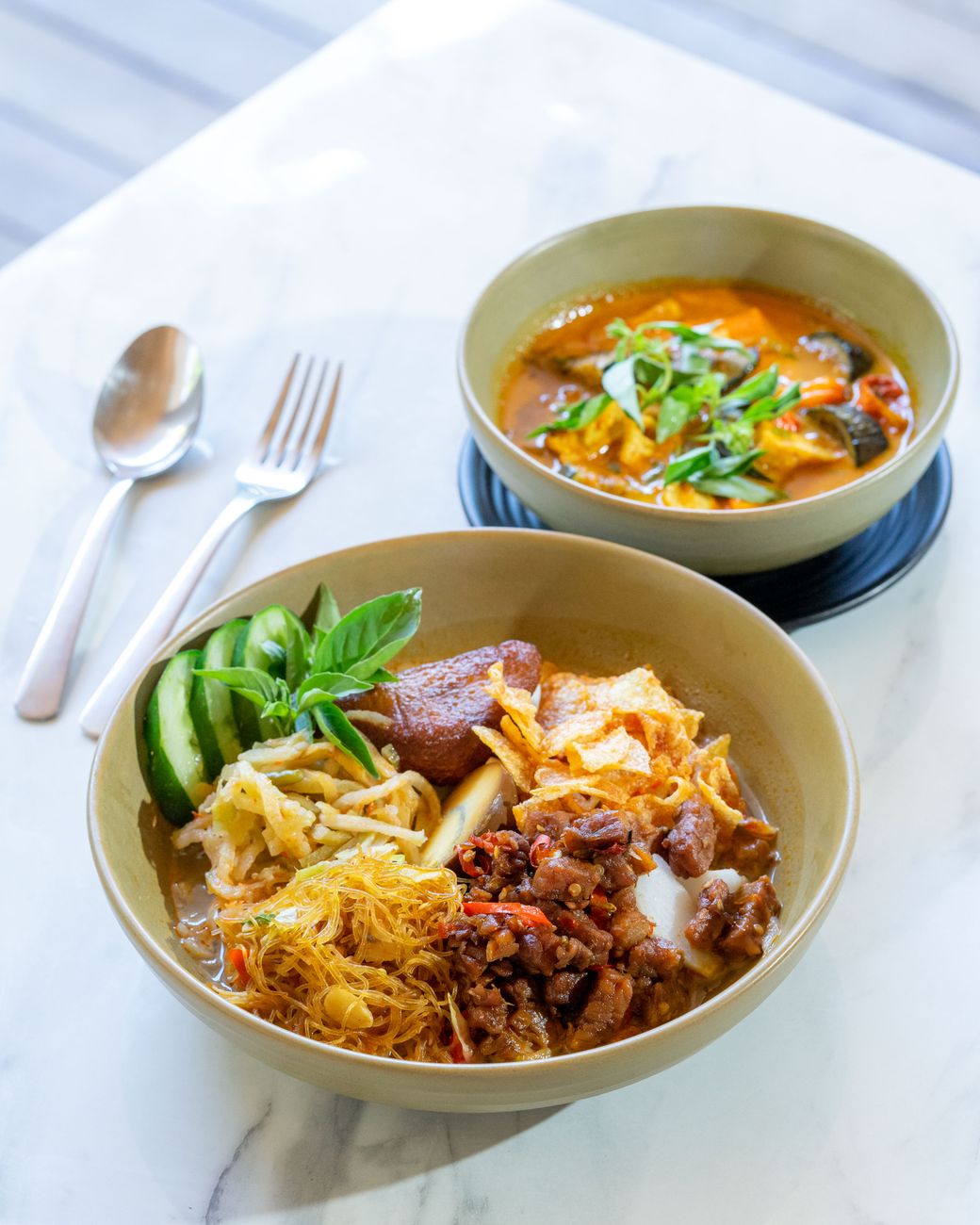
The best foods for lactation and postpartum recovery
The best foods for lactation and postpartum recovery include nutrient-dense galactagogues like Moringa (Kelor), oats, and papaya to support milk supply. For physical healing, focus on warming foods rich in protein, iron, and collagen, such as bone broths, lean meats, and turmeric-infused dishes to replenish nutrient stores and balance hormones.
The birth of a child is often celebrated as the beginning of a new life, but for the mother, it is also a period of intense physical, emotional, and physiological recalibration. In the weeks following delivery, your body is performing the dual task of healing from a significant medical event while simultaneously producing life-sustaining nourishment for your infant. This is why the best foods for lactation and postpartum recovery are those that provide high nutrient density without taxing a sensitive digestive system.
At Mama Nurtura, we recognize that the 'Golden Month' following birth is a window of opportunity. With the right nutrition, you can replenish the stores lost during pregnancy and set the foundation for long-term maternal wellness. Our approach blends the precision of perinatal nutrition science with the time-honored traditional postpartum wisdom of Bali.
The Science of Postpartum Depletion and Replenishment
During pregnancy, the biological priority is always the fetus. If a mother's intake of essential nutrients like iron, calcium, or DHA is insufficient, the body will pull from her own tissues to ensure the baby's development. This can lead to a state known as postpartum depletion, characterized by fatigue, brain fog, and a weakened immune system.
Addressing Iron and B12 Deficiency
Postpartum hemorrhage, even in standard amounts, significantly reduces iron stores. Iron is essential for energy production and oxygen transport. Integrating heme-iron sources like slow-cooked organic meats or non-heme sources like lentils paired with Vitamin C (to enhance absorption) is crucial for those early weeks.
The Role of Collagen in Tissue Repair
Whether you had a vaginal birth or a C-section, your body is healing connective tissue. Glycine-rich foods, particularly bone broths and collagen-dense stews, provide the amino acids necessary for skin, pelvic floor, and abdominal wall recovery. This isn't just wellness advice; it is basic biochemistry.
Caloric Demands of Exclusive Breastfeeding
Lactation is an energy-intensive process, requiring approximately 400 to 500 additional calories per day. However, these shouldn't be 'empty' calories. Focusing on the best foods for lactation and postpartum recovery means choosing foods that offer a high return on investment for every bite.
Lactogenic Superfoods: Boosting Milk Supply Naturally
Many mothers worry about their milk supply in the first few days. While frequent nursing or pumping is the primary driver of supply, certain 'galactagogues' can provide significant botanical support.
Moringa (Kelor): Bali's Liquid Gold
In Bali, Kelor (Moringa Oleifera) is a staple for new mothers. Clinical studies suggest that Moringa can increase prolactin levels, the hormone responsible for milk production. We incorporate fresh, locally sourced Kelor into our Postpartum Restore program to ensure mothers receive this potent, leaf-based boost.
Oats and Beta-Glucans for Hormonal Support
Oats are perhaps the most famous galactagogue globally. They contain beta-glucans, a type of fibre that can increase the secretion of prolactin. Beyond milk supply, oats provide the slow-release carbohydrates needed to keep blood sugar stable during middle-of-the-night feedings.
The Importance of Healthy Fats for DHA-Rich Milk
The quality of your breast milk—specifically the fatty acid profile—is directly influenced by your diet. Consuming avocados, walnuts, and fatty fish (low in mercury) ensures that your milk is rich in DHA, which is vital for your baby's brain and eye development.
Traditional Balinese Wisdom in Postpartum Nutrition
Bali's heritage offers a roadmap for recovery that aligns beautifully with modern nutritional needs. Traditional Balinese medicine emphasizes 'warming' the body to counteract the 'coldness' that enters after birth. Learn more about our philosophy of care and how we weave these traditions into every meal.
Turmeric and Ginger: Natural Anti-Inflammatories
Turmeric (Kunyit) and Ginger (Jahe) are ubiquitous in Bali and are the stars of postpartum recovery. Curcumin, the active compound in turmeric, is a powerful anti-inflammatory that helps reduce uterine swelling. Ginger aids digestion, which can be sluggish in the weeks following birth.
Sayur Bening and Papaya: Digestive and Lactation Aid
Sayur Bening, a clear vegetable soup often featuring green papaya, is a traditional Balinese remedy for lactation. Green papaya contains enzymes and alkaloids that support the production of oxytocin, the 'let-down' hormone.
The Ritual of Warm Broths and Infusions
Cold drinks and raw salads are generally avoided in the first few weeks of traditional Balinese postpartum care. Instead, the focus is on warm, easy-to-digest liquids that soothe the nervous system and ensure the mother's internal 'fire' is maintained for optimal metabolism.
Macro-Nutrients for Hormonal Balance and Mental Health
Postpartum mood disorders are often exacerbated by nutritional gaps. Your brain requires specific fats and amino acids to produce neurotransmitters like serotonin and dopamine.
Complex Carbohydrates for Serotonin Production
Low-carb diets are generally discouraged during early postpartum. Complex carbohydrates like brown rice, sweet potatoes, and pumpkin help transport tryptophan to the brain, where it is converted into serotonin—your 'feel-good' hormone.
Protein: The Building Block of Recovery
Every cell in your body needs protein to repair itself. For the postpartum mother, protein also helps with satiety and the regulation of insulin. We recommend a mix of plant-based and high-quality animal proteins in every meal.
Omega-3 Fatty Acids and Postpartum Mood
There is a strong correlation between high Omega-3 intake and lower rates of postpartum depression. Whether through supplementation or foods like chia seeds and wild-caught fish, these healthy fats are non-negotiable for maternal mental health.
Hydration and Micronutrients: Beyond Just Water
If you are breastfeeding, your fluid requirements increase significantly. However, drinking large quantities of plain water can sometimes flush out essential minerals.
Electrolyte-Rich Coconut Water
Living in Bali, we have access to one of the world's best natural hydration sources: young coconut water. It is naturally rich in potassium and magnesium, making it an ideal 'recovery drink' after the physical exertion of labor.
Magnesium for Muscle Relaxation and Sleep
Magnesium is known as the 'relaxation mineral.' It helps with the uterine afterpains of breastfeeding and can assist in improving the quality of the limited sleep a new mother gets. Find it in dark leafy greens, seeds, and dark chocolate.
Zinc for Immune Function and Wound Healing
Zinc is a critical micronutrient for wound healing, especially for C-section recovery or perineal tears. Legumes, seeds, and shellfish are excellent sources that support the immune system of both mother and baby.
Practical Implementation: Meal Planning for the Sleep-Deprived Mother
Understanding the best foods for lactation and postpartum recovery is only half the battle. The challenge is execution. When you are operating on fragmented sleep, the ability to cook nutrient-dense meals evaporates.
The 'Warm and Soft' Rule for Digestion
In the first two weeks, prioritize foods that are warm and soft—think congees, stews, and pureed soups. This minimizes the energy your body spends on digestion and maximizes the energy available for healing.
Batch Cooking vs. Curated Meal Delivery
While batch cooking during pregnancy is a great strategy, many mothers find they need more specialized support after birth. This is where postpartum meal delivery services in Bali become invaluable. Having a curated menu designed specifically for your stage of recovery removes the cognitive load of 'what's for dinner' during the most demanding weeks of your life.
Mama Nurtura's Postpartum Restore Program
Our Postpartum Restore program is more than just food; it is a clinical intervention delivered with Balinese hospitality. We utilize the ingredients mentioned here—Moringa, turmeric, collagen-rich broths, and complex grains—to ensure you are nourished from the inside out. Our meals are delivered daily across Bali, ensuring that you can focus on bonding with your baby while we handle the science of your recovery. This support is especially meaningful for Amarta Nurtura mothers navigating early parenthood away from their extended family networks.
Conclusion
Recovering from childbirth is a marathon, not a sprint. By prioritizing nutrient-dense, lactogenic, and warming foods, you provide your body with the tools it needs to heal and thrive. In Bali, we are blessed with an abundance of healing ingredients that, when paired with modern nutritional science, offer unparalleled support for the new mother.
Your postpartum journey is a sacred transition that deserves to be supported with the highest level of care. If you are feeling overwhelmed by the nutritional demands of the Fourth Trimester, remember that you don't have to do it alone. Nourishment is a communal act, and seeking support is a sign of strength. Let your food be your foundation as you step into this beautiful new chapter of motherhood. Explore our meal programs or book a consultation to personalize your recovery plan.
Frequently Asked Questions
When should I start a postpartum nutrition plan?
Ideally, your postpartum nutrition plan should begin within the first 24 hours after birth. The body immediately starts the process of uterine involution, tissue repair, and—if breastfeeding—milk production. The sooner you begin replenishing iron, protein, and healthy fats, the more efficient your recovery will be. Many of our clients at Mama Nurtura arrange their meal delivery plan before their due date so that meals begin on day one, removing any decision fatigue in the early hours and days.
Can certain foods really increase my milk supply?
Yes, with an important caveat. No food can substitute for frequent, effective nursing or pumping, which is the primary driver of milk supply through demand-and-supply. However, galactagogues—foods and herbs like Moringa, oats, fenugreek, and fennel—have evidence supporting their ability to increase prolactin levels and thereby enhance supply. Critically, adequate caloric intake and hydration are the most significant dietary factors; a mother who is undereating will produce less milk regardless of galactagogues.
Is it safe to eat spicy Balinese food while breastfeeding?
Generally, yes. The compounds that make food spicy do not transfer into breast milk in significant concentrations. Some babies may show sensitivity if a mother eats very spicy food—displaying gassiness or fussiness—but this is not universal and is not harmful. In fact, exposing your baby to a variety of flavors through breast milk may support their acceptance of diverse foods when weaning begins. If you notice a pattern of discomfort after spicy meals, simply reduce the heat temporarily. 'Warming' spices like turmeric and ginger are different—they are anti-inflammatory and have specific benefits for both mother and baby.
What are the best plant-based proteins for postpartum recovery?
Bali offers excellent plant-based protein options. Tempeh (fermented soy) is a complete protein with a superior amino acid profile and enhanced digestibility due to fermentation. Tofu, lentils, mung beans, edamame, and Moringa leaves are all excellent sources. The key is combining complementary proteins throughout the day to ensure you receive all essential amino acids. Hemp seeds and chia seeds are also valuable for their protein and Omega-3 content.
How does Mama Nurtura source its ingredients in Bali?
We work directly with certified organic farms across Bali—primarily in the highland regions of Bedugul and Tabanan, known for their nutrient-dense volcanic soil. Our Moringa is harvested fresh from local growers we have personally vetted. Proteins are sourced from farms that practice ethical, sustainable husbandry. This farm-to-table approach is not just a marketing phrase for us; it is central to our commitment to providing meals that are genuinely nourishing, traceable, and free from harmful pesticides or additives.