Postpartum Recovery Foods: The Ultimate Fourth Trimester Nutrition Guide
The fourth trimester is a sacred window of transition. Learn how warm, nutrient-dense recovery foods can support your body's healing, hormonal balance, and lactation journey during this critical time.
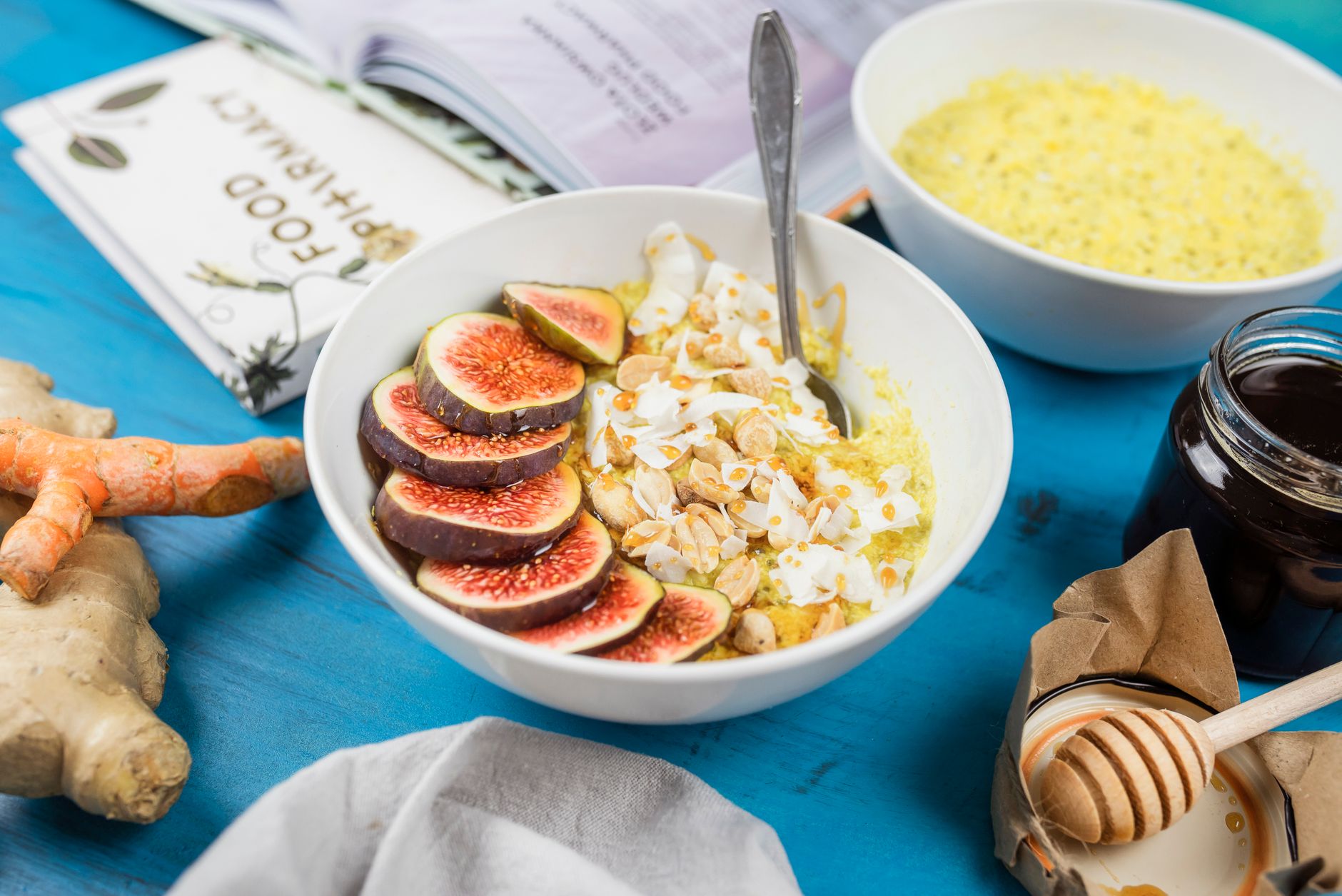
The ideal postpartum recovery plate
An ideal postpartum recovery plate should prioritize warm, easy-to-digest, and nutrient-dense foods. Focus on bioavailable proteins for tissue repair, healthy fats for hormonal health, and complex carbohydrates for energy. Key elements include bone broths, slow-cooked stews, collagen-rich foods, and warming spices like ginger and turmeric to support circulation and digestive fire.
The transition into motherhood, often referred to as the Fourth Trimester, is a period of profound physiological and emotional recalibration. After nine months of growing a human and the monumental event of childbirth, the maternal body enters a state of intensive repair. At Mama Nurtura, we view this period not just as a time of 'getting back to normal,' but as a sacred window for deep replenishment. In the lush, healing environment of Bali, we combine the rigors of perinatal nutrition science with the time-honored wisdom of traditional postpartum care.
Central to this recovery is the food you put on your plate. Nutrition is the literal building block of your new self, providing the raw materials needed for tissue healing, hormonal stabilization, and the demanding energy requirements of lactation. Understanding what your fourth trimester plate should look like—shifting from generic 'healthy eating' to targeted postpartum recovery foods—is the first step in honoring your body's incredible feat.
The Physiological Needs of the Fourth Trimester
The postpartum period is one of the most nutritionally demanding phases of a woman's life, often exceeding the requirements of pregnancy itself. Your body is simultaneously healing wounds, shrinking an organ (the uterus), recalibrating hormones, and potentially producing milk.
Tissue Repair and Collagen Synthesis
Postpartum recovery is a feat of structural rebuilding. The body needs high amounts of amino acids—the building blocks of protein—to repair the pelvic floor, abdominal tissues, and, in the case of a C-section, multiple layers of muscle and skin. Glycine and proline, found abundantly in collagen-rich foods like bone broths and slow-cooked meats, are essential for this process. This is why our Postpartum Restore program emphasizes long-simmered stocks and tender proteins.
Hormonal Recalibration Post-Birth
Minutes after birth, progesterone and estrogen levels drop precipitously. This 'hormonal crash' is a natural part of the process but can lead to the 'baby blues' or more significant mood challenges if not supported by nutrition. The endocrine system requires healthy fats and B vitamins to synthesize new hormones and manage the stress response (cortisol). A plate rich in healthy lipids ensures that the brain has the tools it needs to navigate this shift.
Replenishing Depleted Nutrient Stores
During pregnancy, the body prioritizes the fetus, often pulling nutrients from the mother's own stores—including calcium from bones and DHA from the brain. The fourth trimester is the time to 'pay back' these internal debts. Iron, folate, Vitamin B12, and Vitamin D are often low post-birth. If these aren't replenished through nutrient-dense recovery foods, the mother may experience brain fog, extreme fatigue, and hair loss.
The Wisdom of Warmth: Why Temperature and Texture Matter
Across almost all traditional postpartum cultures—from TCM to Ayurveda and Balinese tradition—the 'cooling' nature of birth is countered with 'warming' foods. This isn't just folklore; there is a physiological basis for prioritizing warmth during recovery.
Supporting Digestive Fire (Agni)
Immediately following birth, a mother's digestive system is often sluggish. The internal organs are shifting back into place, and the body's energy is focused on the uterus and breasts rather than the stomach. Raw, cold foods like salads and smoothies require significant 'digestive fire' to break down. By choosing warm, cooked foods, we 'pre-digest' the nutrients, making them easier for the body to absorb without wasting precious energy.
The Role of Warming Spices in Circulation
Traditional Balinese healing often utilises 'Basa Gede' or base spices like ginger, turmeric, galangal, and black pepper. These are thermogenic, meaning they promote blood flow and circulation. Improved circulation is vital for clearing lochia (postpartum discharge) and ensuring that oxygen-rich blood reaches healing tissues. At Mama Nurtura, we integrate these local botanicals into our meals to support this natural internal warming.
Ease of Absorption: Why Slow-Cooked is Superior
Slow-cooking breaks down tough fibres and proteins, turning a complex meal into a bioavailable feast. Congees, stews, and soups are the gold standard for the fourth trimester. They provide hydration and nutrition simultaneously, ensuring the mother doesn't have to work hard to extract the goodness from her meal.
Building the Recovery Plate: Essential Macronutrients
When you look at your plate, it should feel grounding. It should be a balance of colors and textures that signal safety and abundance to your nervous system. For mothers seeking meal delivery in Bali, we design each dish with a specific macronutrient ratio in mind.
Bioavailable Proteins for Structural Healing
Protein is non-negotiable during recovery. However, it must be easy to digest. We favour slow-cooked organic chicken, grass-fed beef, eggs, and well-soaked legumes. These provide the iron and zinc necessary for immune function and cellular repair. For a mother in the first two weeks post-birth, protein should occupy about a quarter to a third of the plate.
Healthy Fats for Brain Health and Breastmilk Quality
Fats are the anchors of a postpartum diet. They stabilize blood sugar and provide the long-burning fuel needed for middle-of-the-night feedings. Avocado, coconut cream, ghee, and fatty fish (rich in Omega-3s) are essential. Moreover, the fat content of your diet directly influences the satiation levels of your breastmilk, helping your baby feel full and settled.
Complex Carbohydrates for Glycogen Replenishment
Birth is an athletic event. Your muscles and liver are often depleted of glycogen (stored energy). Low-glycemic index carbohydrates like red rice, sweet potatoes, and pumpkin provide steady energy without the 'crash' associated with refined sugars. These carbohydrates also support the production of serotonin, the 'feel-good' neurotransmitter that helps stabilize postpartum moods.
Micronutrients for Mental Health and Energy
While macros provide the fuel, micros provide the spark. Postpartum recovery foods must be densely packed with vitamins and minerals to prevent 'postpartum depletion.'
Iron and Vitamin C: The Energy Duo
Iron deficiency is one of the most common causes of postpartum fatigue. We pair iron-rich foods like dark leafy greens (moringa/daun kelor) and red meats with Vitamin C sources like local citrus or bell peppers. Vitamin C enhances iron absorption, ensuring you get the most out of every bite. This is a core pillar of our Recovery Rebalance approach.
Choline and DHA: The Postpartum Brain Support
Choline is critical for brain health and is transferred in high amounts through breastmilk. Eggs are an excellent source of choline. When combined with DHA from fatty fish or algae, these nutrients help combat 'mom brain' and support the neurological development of the infant.
Magnesium and Zinc: For Relaxation and Repair
Magnesium is the 'great relaxer,' helping with muscle soreness and sleep quality. Zinc is a powerhouse for the immune system and skin healing. Seeds, nuts, and whole grains are excellent sources of these minerals, making them perfect for snacks or toppings on your main recovery meals.
Lactation Support: Nourishing the Mother to Feed the Baby
If you are breastfeeding, your body's nutritional needs are at their peak. It is important to remember that your body will prioritize the baby's milk, often at the expense of your own health. Eating for lactation is about ensuring there is enough left over for you.
Hydration Beyond Water: Broths and Herbal Infusions
Hydration is the foundation of milk supply. However, plain water can sometimes feel 'thin' or cooling. We recommend 'functional hydration'—bone broths, coconut water (rich in electrolytes), and warm herbal teas like fennel, fenugreek, or ginger. These liquids provide minerals and warmth along with hydration.
Galactagogues: Traditional Foods that Support Supply
In Bali, certain foods are prized for their ability to support milk production. Papaya (especially green papaya soup), moringa leaves, and oats are all considered galactagogues. While the science on some galactagogues is still emerging, many mothers find these fibre-rich, nutrient-dense foods highly supportive of their supply and overall well-being.
The Nutrient Density of Local Balinese Produce
Bali's soil is rich and fertile, producing fruits and vegetables that are exceptionally nutrient-dense. Using local ingredients like mangosteen for its antioxidant properties or turmeric for its anti-inflammatory benefits allows us to create a 'healing terroir' for mothers recovering on the island. This localised approach is at the heart of our philosophy.
Implementing the Mama Nurtura Philosophy in Bali
Navigating the fourth trimester can feel overwhelming, especially when it comes to the logistics of sourcing, prepping, and cooking healing meals. This is where personalised support becomes invaluable.
Sourcing Local Healing Ingredients
If you are preparing meals at home, focus on the local markets. Look for ayam kampung (village chicken), fresh turmeric root, and organic greens. Avoid processed oils and refined flours, which can trigger inflammation and slow down the healing process.
The Convenience of Tailored Meal Programs
For many families, especially those without a large support network in Bali, a meal delivery service is a lifeline. Our programs are designed to take the guesswork out of postpartum nutrition. We deliver warm, ready-to-eat, or easy-to-reheat meals that follow the principles of the 'Fourth Trimester Plate.' Whether you are an Amarta Mother or an external customer, our goal is to provide hospitality through food.
Creating a Sacred Space for Nourishment
Finally, remember that how you eat is as important as what you eat. In the Balinese tradition of hospitality, the act of serving food is a gesture of love. Try to eat in a calm environment, away from screens, allowing your body to enter a 'rest and digest' state. This simple shift can improve nutrient absorption and provide a much-needed moment of mindfulness in your busy day as a new mother.
Conclusion
The fourth trimester is a time for slowing down and allowing the body to lead the way. By filling your plate with warm, collagen-rich broths, healthy fats, and bioavailable proteins, you support the intricate dance of hormonal and physical recovery. Whether you are sourcing these ingredients yourself in the markets of Bali or relying on the expert preparation of Mama Nurtura, remember that you deserve to be nourished just as deeply as you nourish your newborn. This period of replenishment is an investment in your future health and your family's well-being.
Your fourth trimester plate is more than just fuel; it is the foundation of your long-term health as a mother. By focusing on warm, nutrient-dense, and easy-to-digest postpartum recovery foods, you are giving your body the best possible start to this new chapter. To learn more about our specific programs and how we can support your recovery in Bali, please explore our meal programs or reach out for a personal consultation.
Frequently Asked Questions
When should I start a postpartum recovery diet?
Ideally, your postpartum recovery diet should begin on the day you return home after birth. The first 72 hours are a critical window where the body is working hardest to recover from blood loss, fluid shifts, and hormonal changes. We recommend arranging your meal program during pregnancy so there is no gap in nutritional support. However, targeted recovery eating is beneficial at any stage of the postpartum period.
Why is warm food better than cold food after birth?
Traditional healing systems across Asia—including Balinese Jamu culture, Ayurveda, and Traditional Chinese Medicine—classify birth as a 'cold' event that depletes the body's internal warmth. Scientifically, warm, cooked foods are far easier to digest, allowing the body to absorb nutrients efficiently without diverting energy from healing. Warming spices like ginger and turmeric also stimulate circulation and have measurable anti-inflammatory properties.
What are the best local Balinese ingredients for lactation?
Bali offers exceptional local galactagogues. Moringa (Daun Kelor) is dense with iron, calcium, and vitamins that support both recovery and milk supply. Katuk leaf (daun katuk) is traditionally revered for boosting milk production. Green papaya soup is a classic Balinese postpartum dish, and coconut water provides electrolytes essential for hydration and supply. We integrate all of these into our lactation-focused meal options.
Can a recovery diet help with postpartum hair loss?
Yes. Postpartum hair loss (telogen effluvium) is primarily triggered by the hormonal drop after birth, but it can be significantly worsened by nutritional deficiencies—particularly low iron, zinc, biotin, and protein. A targeted recovery diet that addresses these deficiencies cannot prevent the initial shed, but it can shorten its duration and support healthier regrowth within a few months.
How does Mama Nurtura accommodate C-section recovery needs?
C-section mothers may benefit even more from dedicated meal support, as major abdominal surgery requires additional protein for wound healing, specific vitamins (C and Zinc) for tissue repair, and gentle fibre to safely restart the digestive system after anesthesia. Our programs include specific protocols for surgical recovery, and the reduced mobility following a C-section makes professional meal delivery especially valuable during the first weeks.