Eating for Two in the Tropics: Your Essential Prenatal Nutrition Guide in Bali
Expecting a baby in Bali? Discover the ultimate prenatal nutrition guide blending modern clinical science with local Balinese superfoods and practical meal planning tips.
Key prenatal nutrition principles for Bali
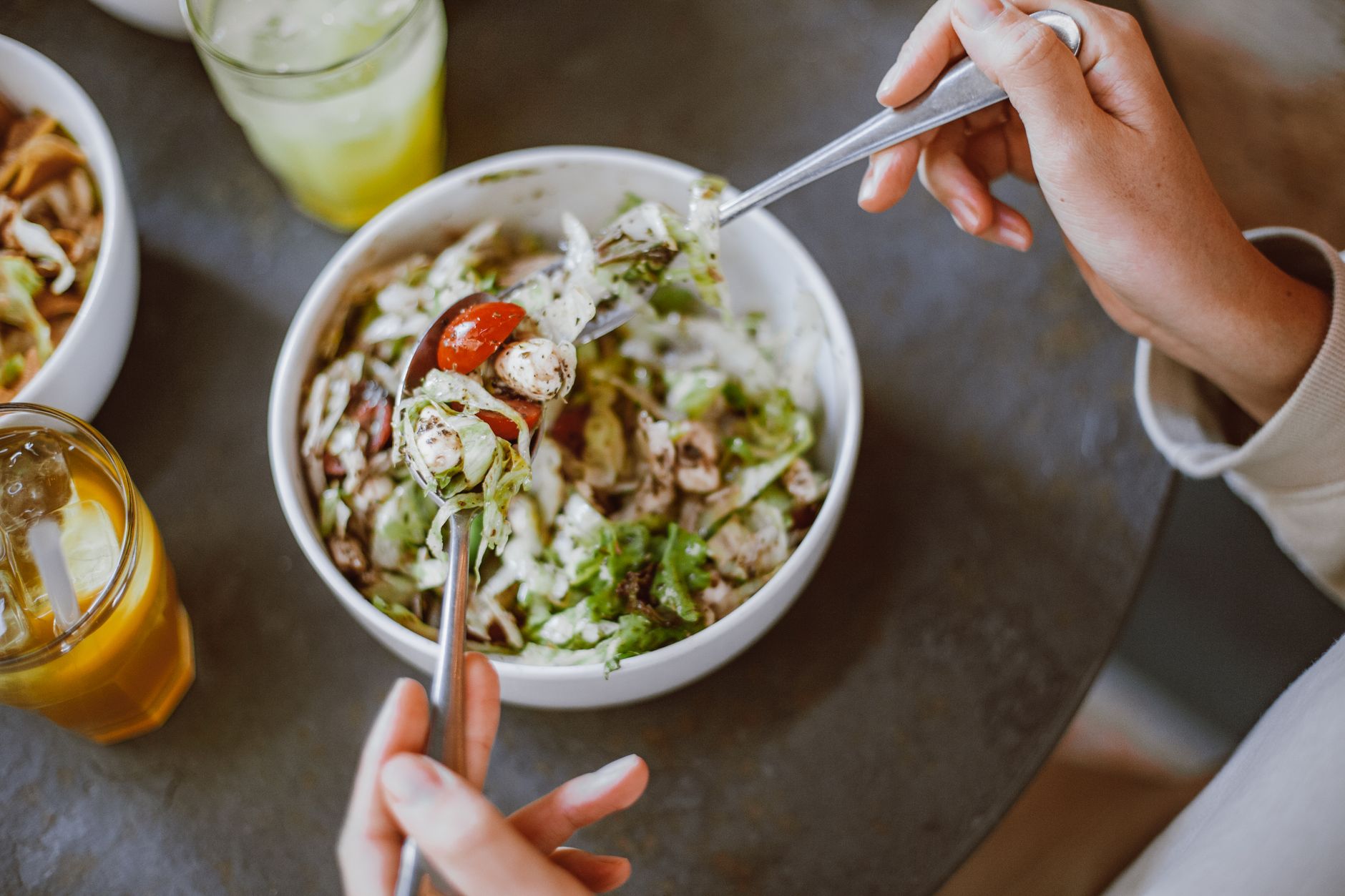
A healthy prenatal nutrition plan in Bali should prioritize folate, iron, and DHA found in local sources like Moringa (Kelôr), eggs, and fatty fish. Focus on hydration with fresh coconut water and ensure food safety by consuming only fully cooked proteins and thoroughly washed local organic produce to support both maternal health and fetal development.
Pregnancy is one of the most profound transitions a woman can experience. It is a time of immense physical change, emotional growth, and the quiet, miraculous work of building another human being. In Bali, this journey—often referred to as a 'Sacred Transition'—is supported by a culture that deeply values the mother. However, the modern expectant mother needs more than just tradition; she needs a prenatal nutrition guide in Bali that integrates clinical evidence with the island's unique offerings.
At Mama Nurtura, we believe that nutrition is the cornerstone of a healthy pregnancy and a smooth postpartum recovery. By focusing on nutrient density, local sourcing, and tailored support, we help mothers navigate the complexities of what to eat during pregnancy in Bali.
The Pillars of Prenatal Nutrition Science
Clinical nutrition science emphasizes that during pregnancy, your requirements for certain micronutrients increase significantly. It is not about 'eating for two' in terms of volume, but rather 'nourishing for two' in terms of quality.
The Role of Folic Acid and Folate
Folic acid (or its natural form, folate) is critical in the first trimester for preventing neural tube defects. While many mothers take supplements, incorporating folate-rich foods like lentils, asparagus, and local Balinese leafy greens provides a complex matrix of nutrients that aid absorption.
Iron: Supporting Oxygen for Two
Your blood volume increases by nearly 50% during pregnancy. This requires a significant uptick in iron intake to prevent anemia and ensure your baby receives enough oxygen. Pairing iron-rich foods—such as grass-fed beef or tempeh—with Vitamin C-rich local fruits like tangerines or pomelo enhances iron uptake.
DHA and Brain Development
Omega-3 fatty acids, specifically DHA, are the building blocks of your baby's brain and eyes. In Bali, while fresh fish is abundant, it is vital to choose low-mercury options. Wild-caught snapper or sardines are excellent local choices that support fetal cognitive development without the risks associated with larger predatory fish.
Choline: The Underrated Nutrient
Often overlooked, choline is essential for brain health and preventing spinal cord issues. Eggs are one of the best sources of choline. In Bali, Telur Ayam Kampung (free-range village eggs) are widely available and offer superior nutrient profiles compared to factory-farmed alternatives.
Bali's Local Bounty: Tropical Superfoods for Pregnancy
One of the greatest advantages of living in or visiting Bali during pregnancy is the accessibility of 'living foods'—produce that is sun-ripened and harvested close to the time of consumption.
Moringa (Kelôr): The Island's Multivitamin
Moringa, known locally as Kelôr, is a nutritional powerhouse. It is exceptionally high in calcium, iron, and Vitamin A. Adding Moringa leaves to soups or smoothies is a traditional practice that modern science confirms as highly beneficial for maternal health.
Young Coconut Water: Natural Electrolytes
Dehydration is a common risk in Bali's humidity. Young coconut water is a sterile, bioavailable source of potassium and magnesium. It helps maintain electrolyte balance, reduces leg cramps, and provides a refreshing alternative to sugary drinks.
Ripe Papaya and Digestive Health
While green papaya should be avoided due to its latex content which may trigger contractions, fully ripe papaya is a pregnancy superstar. It contains papain, an enzyme that aids digestion, and is rich in fibre to help manage the common pregnancy complaint of constipation.
Local Spinach and High-Alkaline Greens
Bali's volcanic soil produces incredibly nutrient-dense greens. Sayur Hijau (local green mustard) and Bayam (local spinach) are staples that provide the magnesium and fibre necessary to support hormonal balance and steady energy levels throughout the day.
Managing Pregnancy Symptoms with Local Ingredients
The 'glow' of pregnancy is often accompanied by nausea, heartburn, and exhaustion. Using healthy pregnancy food in Bali can provide natural relief.
Ginger and Lemongrass for Nausea
For many, morning sickness relief in Bali comes in the form of a gentle ginger and lemongrass infusion. Ginger has been clinically shown to reduce the severity of nausea. Sipping on a warm (not hot) tea made from freshly bruised ginger root can settle the stomach before meals.
Small, Frequent Meals in the Tropical Heat
The heat in Bali can dampen the appetite while simultaneously increasing the need for fuel. Instead of three large meals, aim for five or six small, nutrient-dense snacks. This keeps blood sugar stable and prevents the 'heavy' feeling that often triggers acid reflux.
Combatting Pregnancy Fatigue with Complex Carbs
Red rice (Beras Merah), grown in the highlands of Tabanan, is a complex carbohydrate that releases energy slowly. Unlike white rice, it retains its bran and germ, providing B-vitamins that help combat the profound fatigue often felt in the first and third trimesters.
Natural Remedies for Heartburn
As the uterus grows, it places increasing pressure on the stomach. Avoiding large meals, staying upright after eating, and sipping on warm fennel tea can provide natural relief. Alkaline foods like ripe banana and young coconut water also help neutralize excess acid.
Food Safety and Hygiene in the Tropics
A practical prenatal nutrition guide in Bali must address the risks of foodborne illness, which can be more prevalent in tropical climates.
Washing Produce: The Vinegar Soak
To remove bacteria and residual pesticides, always soak your local fruits and vegetables. A simple solution of water and vinegar or a food-grade fruit wash is essential, especially if you are consuming raw salads or juices.
Protein Safety: Avoiding Raw Hazards
While Bali's culinary scene is world-class, pregnancy requires caution. Avoid raw sushi, undercooked meats (like rare steaks), and unpasteurized cheeses. Ensure all poultry and eggs are cooked thoroughly to prevent Salmonella or Toxoplasmosis.
Water Quality and Hydration Standards
Never drink tap water in Bali. Ensure your drinking water is from a reputable bottled source or high-quality filtration system. When dining out, confirm that ice is made from Air Kristal (government-certified purified ice).
Navigating Local Warungs Safely
Bali's beloved warungs can be safe and nourishing options if you choose wisely. Opt for freshly cooked, piping-hot dishes. Avoid pre-made salads and cold buffet items. Asking for dishes to be cooked fresh ('masak baru') is always a reasonable and respectful request during pregnancy.
Traditional Wisdom Meets Modern Perinatal Care
At Mama Nurtura, our philosophy blends the best of both worlds. We recognize that traditional Balinese postpartum care often begins with prenatal preparation.
The Concept of 'Warm' Foods in Pregnancy
In many Asian traditions, including Balinese, there is a focus on 'warming' the body. During pregnancy, this doesn't mean spicy food, but rather foods that are easy to digest and thermally warm, which is thought to support the 'digestive fire' and optimal nutrient absorption.
Mindful Eating and Balinese Hospitality
The spirit of Tri Hita Karana—harmony with people, nature, and the divine—can be applied to how you eat. Taking the time to bless your food and eat in a calm environment reduces cortisol, which is beneficial for both you and your baby.
Transitioning from Prenatal to Postpartum Care
Nutrition doesn't end at birth. The habits you form now—choosing whole foods, staying hydrated, and seeking support—will lay the foundation for your recovery. Our Postpartum Restore program is designed to continue this continuum of care seamlessly.
The Importance of Personalized Support
Every pregnancy is different. A personalized approach—whether that means adjusting iron intake, managing gestational diabetes, or supporting a vegetarian diet—ensures your specific needs are met. Our team at Mama Nurtura is available for personalized consultations to guide you through these nuances.
Practical Meal Planning and Delivery in Bali
Logistics can be the biggest hurdle to maintaining a healthy diet. Between doctor's appointments and daily life, finding time to source and prep maternal nutrition science-backed meals is difficult.
Shopping at Local Pasar vs. Supermarkets
Local markets (pasar) offer the freshest seasonal produce at the best prices, but require knowledge of what to select and how to wash it safely. Organic supermarkets provide pre-washed, certified organic options at a premium but offer peace of mind. A combination of both is often the most practical approach.
The Benefits of Prenatal Meal Delivery
For many mothers, Bali pregnancy meal delivery is a lifeline. It removes the guesswork of macronutrient balancing and the stress of food safety. Our Prenatal Nourish program provides chef-prepared, nutritionist-approved meals delivered to your door, featuring locally sourced, organic ingredients tailored to the specific needs of your trimester.
Outsourcing Nutrition to Experts
By choosing a dedicated meal program, you ensure that you are receiving the correct levels of iron, folate, and healthy fats without the mental load of meal planning. This allows you to focus on the emotional and spiritual aspects of your pregnancy, knowing your physical needs are met with premium Balinese hospitality. This is especially valuable for Amarta Nurtura mothers who are navigating new motherhood far from their extended family network.
Conclusion
Nourishing yourself during pregnancy in Bali is a beautiful balance of science and tradition. By focusing on high-quality local ingredients, maintaining strict food safety, and listening to your body's changing needs, you can enjoy a vibrant and healthy pregnancy. Mama Nurtura is here to support you at every step, offering the clinical expertise and warm hospitality you deserve during this transformative time.
Every bite is an act of care for your future child and yourself. If you are looking for personalized support or wish to explore our nutrient-dense meal programs, explore our Prenatal Nourish programs or book a consultation to begin your journey toward a vibrantly healthy pregnancy today.
Frequently Asked Questions
Is it safe to eat Jamu during pregnancy?
Many Jamu ingredients used in culinary quantities—like turmeric, ginger, and lemongrass—are generally considered safe during pregnancy and can even be beneficial for managing nausea and inflammation. However, concentrated herbal preparations or Jamu containing ingredients like papaya leaf, cinnamon in high doses, or other emmenagogues should be avoided. Always consult your healthcare provider before taking any herbal supplement or concentrated Jamu preparation during pregnancy.
Which local fish in Bali are lowest in mercury?
Smaller, short-lived fish are generally lowest in mercury. Safe choices in Bali include sardines (ikan sarden), anchovies (ikan teri), snapper (kakap), and mackerel (tenggiri). Avoid large predatory fish such as tuna steak, swordfish, and shark. Aim for two to three portions of low-mercury fish per week to maximize DHA intake while minimizing risk.
How can I ensure my salad is safe to eat at a Bali cafe?
Ask the cafe whether they wash their produce in filtered water and whether they use a food-safe wash. Look for establishments with transparent food preparation practices. When in doubt, choose cooked vegetable dishes over raw salads. At home, a 15-minute soak in water with a splash of white vinegar or a commercially available food wash effectively removes most surface bacteria and pesticide residues.
What are the best local sources of plant-based protein in Bali?
Bali offers excellent plant-based proteins. Tempeh—a fermented soybean product originating from Java—is a complete protein and highly bioavailable. Tofu, well-soaked and cooked lentils, mung beans (kacang hijau), and Moringa leaves are all readily available. Combined with a variety of whole grains like red rice, these provide all essential amino acids needed for fetal development.
Does Mama Nurtura offer meals for gestational diabetes?
Yes. We design specific low-glycemic meal plans for mothers managing gestational diabetes. These plans focus on complex carbohydrates like red rice and sweet potato, moderate high-quality protein at each meal, healthy fats to slow glucose absorption, and the elimination of refined sugars. We work closely with your obstetrician or midwife to ensure your meal plan aligns with their medical guidance.