Traditional Postpartum Food Wisdom and Modern Nutrition Science: A Harmonious Approach to Recovery
Is it possible to honor ancient postpartum traditions while following modern nutritional evidence? Explore how blending heritage and science creates the ultimate blueprint for maternal recovery and hormonal balance.
The period following childbirth is often described as a sacred window. In many cultures, these first forty days are dedicated entirely to the mother's recovery, bonding, and replenishment. Yet, in the modern fast-paced world, this transition is often overlooked or reduced to simple calorie counting. To truly thrive, we must look at the synergy between postpartum nutrition science and traditional food wisdom.
At Mama Nurtura, based in the heart of Bali, we see this synergy as the gold standard for maternal care. Whether you are an Amarta Nurtura mother or a family seeking the best postpartum meal delivery in Bali, understanding how heritage and science intersect can transform your recovery experience.
The Biological Foundation of the Fourth Trimester
Modern medicine recognizes the postpartum period as a time of significant physiological stress. The body has undergone the marathon of labor, a massive shift in blood volume, and a dramatic drop in hormones like progesterone and estrogen.
Addressing Postpartum Depletion
Postpartum depletion is a clinical reality. During pregnancy, the body prioritizes the fetus, often drawing from the mother's own nutrient stores. Science tells us that if these stores -- particularly iron, folate, and Vitamin D -- are not replenished, the mother may face fatigue, mood instability, and a weakened immune system. Traditional wisdom mirrors this by emphasizing blood-building foods that restore the vital energy lost during birth.
The Role of Inflammation in Healing
Birth, whether vaginal or cesarean, involves tissue trauma. Modern science points to the role of anti-inflammatory nutrients in managing this process. By utilizing traditional Balinese ingredients like kunyit (turmeric), we are applying ancient wisdom that science now validates as a powerful tool for reducing systemic inflammation and supporting the body's natural repair mechanisms.
Hormonal Reset and Nutrient Synergy
The endocrine system requires specific fats and micronutrients to recalibrate after birth. Traditional diets often include healthy saturated fats and fat-soluble vitamins, which science confirms are the building blocks of hormonal health. This intersection ensures that the mother's brain health and emotional stability are supported through the food she eats.
Traditional Postpartum Wisdom: More Than Just Ritual
Traditional postpartum care across the globe -- from Ayurvedic practices to Traditional Chinese Medicine and Balinese heritage -- shares remarkably consistent themes. These are not merely superstitions; they are intuitive biological responses.
The Principle of Thermal Nature (Warming Foods)
One of the most universal tenets of traditional food wisdom is the avoidance of cold foods. In traditional terms, birth is a cold event that leaves the mother's body open. Traditional wisdom dictates warming the body through temperature and spices like ginger and black pepper. Scientifically, warming the body supports vasodilation, which improves circulation and ensures that nutrients reach healing tissues efficiently.
Digestion as the Gateway to Healing
Ancient traditions believe that a mother's digestive fire, or Agni, is low after birth. Therefore, food must be easy to break down. This is why you rarely see raw salads or icy drinks in traditional postpartum menus. Modern science supports this by noting that the digestive system is often sluggish post-birth due to hormonal shifts and physical displacement; cooked, slow-cooked foods reduce the metabolic load on the mother.
The Importance of Soft, Stewed Textures
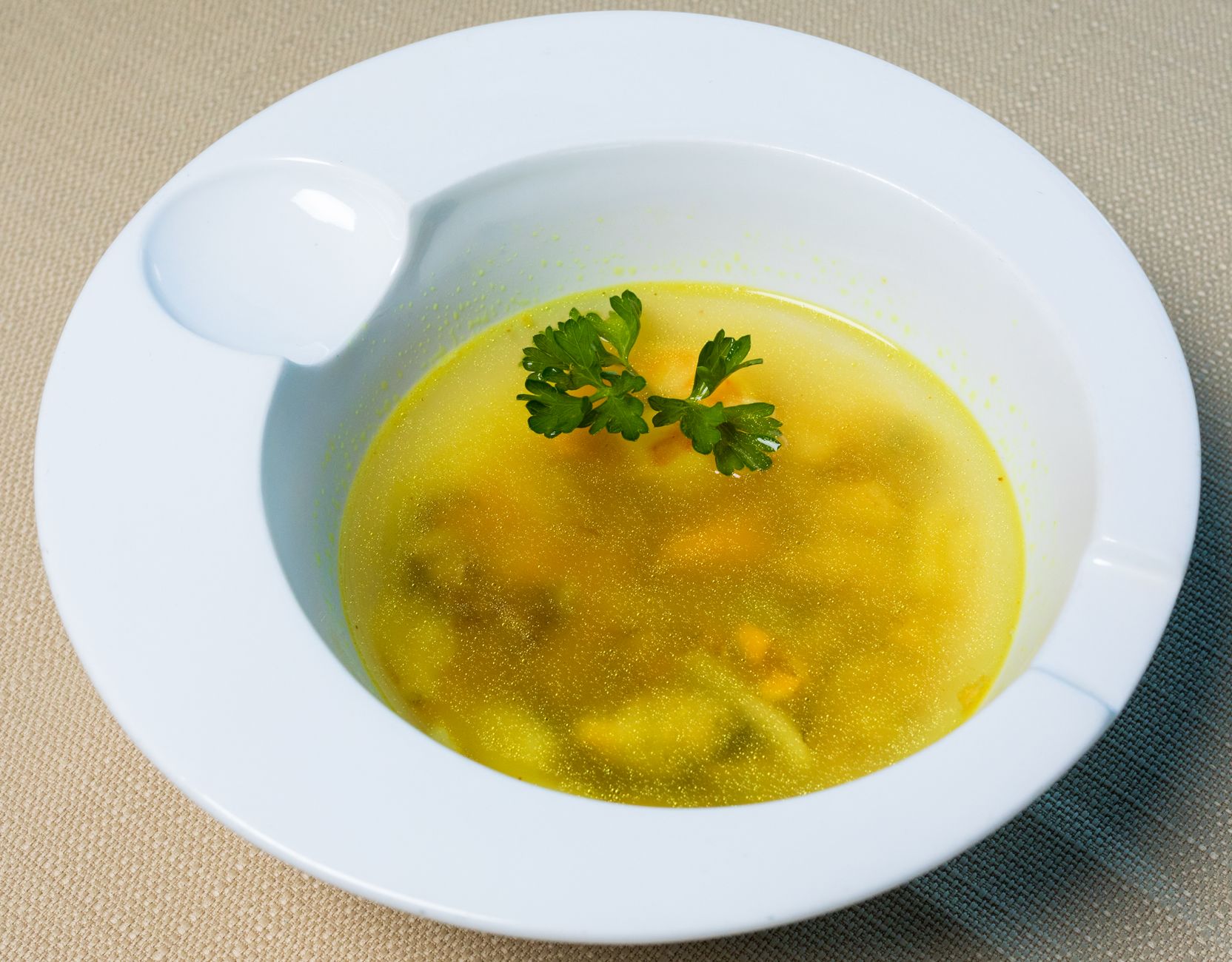
In Bali, healing porridges and slow-cooked soups are staples. These textures are not accidental. They provide high hydration levels and ensure that nutrients are bioavailable, meaning the body can absorb them with minimal effort, allowing more energy to be directed toward tissue repair and milk production.
What Modern Nutrition Science Confirms
While tradition provides the framework, modern nutrition science provides the precision. By understanding the "why" behind the ingredients, we can tailor recovery programs like our Postpartum Restore to meet clinical needs.
Bioavailable Protein and Tissue Repair
Science emphasizes the need for amino acids -- the building blocks of protein -- to repair the uterus, pelvic floor, and abdominal tissues. Traditional bone broths, long a staple of wisdom diets, are rich in collagen and glycine. Modern science confirms these are essential for connective tissue integrity and gut health, particularly after the physical strain of pregnancy.
Essential Fatty Acids for Brain Health
Modern research has highlighted the critical role of DHA and Omega-3 fatty acids in preventing postpartum mood disorders and supporting the baby's brain development through breast milk. Traditional island diets, rich in fresh fish and healthy fats, naturally align with this clinical requirement, providing a foundation for mental well-being.
The Science of Galactagogues and Lactation
Many cultures use specific herbs and foods to support milk supply. Science is now identifying the active compounds in these galactagogues, such as the saponins in fenugreek or the polysaccharides in oats and papaya. Our programs at Mama Nurtura utilize these ingredients, backed by an understanding of how they interact with prolactin and oxytocin levels.
Bridging the Gap: A Harmonious Approach to Recovery
At Mama Nurtura, we don't choose between science and tradition; we integrate them. Our philosophy is built on the belief that a mother deserves the best of both worlds.
Sourcing Local Balinese Superfoods
Bali is home to an incredible array of healing produce. From Moringa (Kelor), which is clinically recognized for its high iron and calcium content, to local ginger and turmeric, we source locally to ensure peak nutrient density. This supports not only the mother but also the local community and the environment.
Clinical Calibration of Traditional Recipes
We take traditional recipes and calibrate them to ensure they meet the specific macro and micronutrient targets required for perinatal recovery. This means ensuring every meal has the right balance of complex carbohydrates for energy, proteins for repair, and healthy fats for hormonal health, all while maintaining the comforting flavors of tradition.
Personalized Support for Unique Transitions
Every birth story is different. Whether you are recovering from a C-section, managing gestational diabetes, or focusing on lactation support, our approach allows for personalization. We blend personalized support with our meal programs to ensure that your specific biological and emotional needs are met.
Key Nutrients for the Postpartum Journey
To understand how to eat for recovery, we must identify the super-nutrients that both science and tradition prioritize.
Iron and Blood Building
Iron deficiency is a leading cause of postpartum fatigue. While tradition suggests red foods and organ meats, science confirms the need for heme and non-heme iron paired with Vitamin C for absorption. Our meals strategically pair plant-based iron sources with local citrus and greens to maximize this synergy.
Collagen and Connective Tissue Support
Recovery isn't just about weight; it's about structural integrity. Science points to collagen, vitamin C, and zinc as the trio for skin and tissue repair. Traditional long-simmered soups are the perfect vehicle for these nutrients, providing a soothing way to rebuild the body from the inside out.
Iodine, Selenium, and Thyroid Health
The thyroid undergoes significant stress during the perinatal period. Modern science highlights the importance of iodine and selenium -- found in seaweed and certain nuts -- for maintaining metabolic health. Integrating these into a traditional framework ensures long-term hormonal balance.
Practical Guidance for Your Healing Kitchen
How can you bring this blend of postpartum nutrition science and traditional food wisdom into your own home? It starts with a few foundational principles.
Prioritizing Hydration with Electrolytes
Beyond just water, your body needs minerals. Traditional infusions of ginger, honey, and a pinch of sea salt act as natural electrolytes. Science confirms that hydration is essential for maintaining blood volume and supporting a healthy milk supply.
The Power of Bone Broths and Slow-Cooked Meals
If you can only do one thing, prioritize warmth. Slow-cooked meals are easier to digest and more nutrient-dense. Invest in high-quality broths -- like those found in our Recovery Rebalance program -- to provide a steady stream of amino acids and minerals.
Mindful Eating and the Nervous System
Traditional wisdom often includes a sense of presence during meals. Modern science calls this the parasympathetic state. When we eat in a calm, supported environment -- true to the spirit of Balinese hospitality -- our bodies are better able to digest and move into rest-and-digest mode, which is crucial for healing.
Choosing the right path for your recovery involves honoring the ancient knowledge that has supported women for generations while embracing the clarity that modern science provides. At Mama Nurtura, we are honored to walk this path with you, providing the nourishment and support you need to thrive in early motherhood.
If you are ready to experience the profound benefits of a nutrition plan that honors both heritage and evidence, we invite you to explore our tailored meal programs. Whether you are an Amarta Nurtura mother or a resident of Bali, our team is here to support your sacred transition with clinical credibility and the warmth of Balinese hospitality. Contact us today to begin your journey toward a restored and vibrant postpartum experience.
Conclusion
The marriage of traditional postpartum food wisdom and modern nutrition science offers a comprehensive roadmap for maternal recovery. By respecting the warming traditions of the past and the nutrient-density requirements of the present, mothers can achieve a state of balance that supports both their physical healing and emotional well-being. In the lush landscape of Bali, Mama Nurtura stands as a bridge between these two worlds, ensuring every mother feels nurtured, seen, and scientifically supported.
Frequently Asked Questions
What are the best warming foods for postpartum recovery?
The best warming foods combine traditional Balinese wisdom with clinical backing. Ginger (fresh or powdered) improves circulation and soothes the digestive tract. Turmeric (Kunyit) is a powerful anti-inflammatory that aids tissue repair. Garlic supports immune function and circulation. Bone broths provide collagen, amino acids, and minerals in a warm, easily digestible form. Slow-cooked lentil soups provide plant-based iron and fiber. Locally sourced sweet potatoes offer complex carbohydrates with warming properties. Black pepper enhances the bioavailability of curcumin in turmeric. These ingredients form the backbone of our Postpartum Restore meal program.
How does Balinese traditional medicine support breastfeeding?
Balinese traditional medicine supports breastfeeding primarily through galactagogues -- foods and herbs believed to promote milk production. Daun Katuk (Star Gooseberry Leaf) is the most prominent, with modern research suggesting it may elevate prolactin levels. Moringa (Kelor) provides iron, calcium, and Vitamin A, supporting both milk quality and maternal energy. Traditional warming spices improve circulation to the mammary glands. Jamu herbal tonics containing turmeric and tamarind reduce postpartum inflammation that can interfere with milk flow. These practices align remarkably well with modern lactation science.
Can I follow a vegetarian diet while using traditional postpartum wisdom?
Yes, many traditional postpartum practices are naturally compatible with vegetarian eating. Balinese cuisine includes numerous plant-based preparations -- warming lentil soups, tempeh dishes, and vegetable stews -- that align with both traditional principles and clinical nutritional needs. The key for vegetarian mothers is ensuring adequate iron (paired with Vitamin C for absorption), B12 (from eggs and dairy, or supplementation), DHA (from algae-based sources), and complete proteins from diverse legumes, tempeh, and whole grains. A consultation with our nutritionist can ensure your vegetarian plan meets all perinatal requirements.
Why is gut health so important in the first 40 days after birth?
Gut health is central to postpartum recovery for several interconnected reasons. First, nutrient absorption occurs in the gut -- a compromised gut means even a well-designed diet delivers less of its intended benefit. Second, the gut-brain axis directly influences mood; approximately 90% of serotonin is produced in the gut, making gut health a significant factor in postpartum mental wellbeing. Third, the physical displacement of the gut during pregnancy means it needs gentle, easily digestible foods to recover its normal function. Traditional warming foods and slow-cooked textures directly support gut healing, while modern science adds the importance of probiotics and prebiotic fibers for microbiome restoration.
What are the clinical benefits of Moringa for new mothers?
Moringa oleifera (Kelor) has an impressive nutritional profile that makes it particularly valuable for postpartum recovery. It contains approximately 25mg of iron per 100g of dried leaf, making it one of the richest plant-based iron sources available -- critical for combating postpartum anemia. Its calcium content supports bone density after the demands of pregnancy and breastfeeding. High Vitamin A supports immune function in both mother and breastfed infant. Its protein content (approximately 27% by dry weight) provides essential amino acids for tissue repair. Emerging research also suggests galactagogue properties, potentially supporting prolactin levels. Combined with its antioxidant compounds, Moringa is genuinely one of Bali's most valuable maternal superfoods.