How to Build a Prenatal Meal Plan That Supports Mother and Baby
Navigating pregnancy nutrition can feel overwhelming. This guide explores how to build a prenatal meal plan using evidence-informed science and traditional wisdom, specifically tailored for the modern mother in Bali.
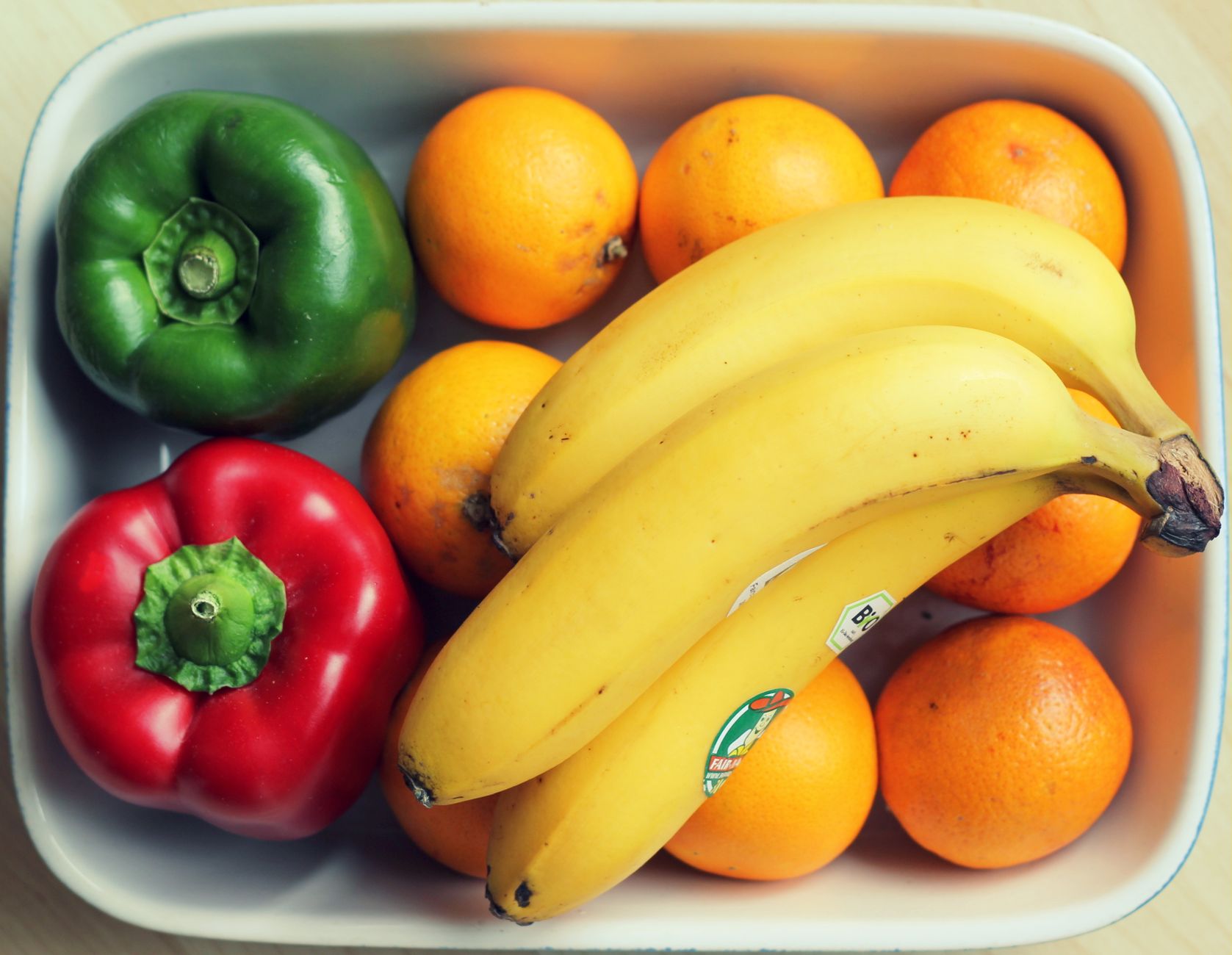
Pregnancy is a period of rapid physiological change. Every bite you take serves a dual purpose: fueling your own metabolic needs and providing the structural components for your baby's organs, bones, and brain. Learning how to build a prenatal meal plan allows you to move from a place of restriction or confusion to a place of empowered nourishment.
The Science of Perinatal Nutrition: Key Micronutrients
In the realm of perinatal nutrition science, certain nutrients take center stage because the body cannot synthesize them in sufficient quantities, or the demand increases so sharply that the standard diet often falls short.
Folate vs Folic Acid: The Methylation Essential
Folate (Vitamin B9) is critical for DNA synthesis and the prevention of neural tube defects. While 'folic acid' is the synthetic version often found in supplements, many women have genetic variations (like MTHFR) that make it difficult to convert synthetic folic acid into its active form. At Mama Nurtura, we emphasize folate-rich whole foods like dark leafy greens (spinach, bok choy), lentils, and asparagus. Including these ensures you are getting 'bioavailable' nutrients that your body recognizes immediately.
Choline: The Brain-Building Powerhouse
Often dubbed the 'forgotten nutrient,' choline is essential for fetal brain development and placental function. Recent studies suggest that higher choline intake during pregnancy may have long-term cognitive benefits for the child. When you build your meal plan, consider including pasture-raised eggs—a gold standard source of choline—and cruciferous vegetables.
Iron and Vitamin C: Supporting Blood Volume
By the third trimester, your blood volume increases by nearly 50%. This requires a significant uptick in iron to prevent anemia. We recommend pairing iron sources (like grass-fed beef or iron-rich tempeh) with Vitamin C (local Bali citrus or papaya) to enhance absorption. This synergy is a cornerstone of our Prenatal Nourish philosophy.
Balancing the Plate: Macronutrients for Sustained Energy
While micronutrients are the 'spark plugs,' macronutrients—protein, fats, and carbohydrates—are the fuel. A balanced plate is the most effective way to manage the 'afternoon slump' and keep pregnancy hormones in check.
High-Quality Proteins for Tissue Growth
Protein is the building block of life. During pregnancy, your protein requirements increase to support the growth of the uterus, breasts, and the baby's tissues. We suggest a target of 1.1 to 1.5 grams of protein per kilogram of body weight. In Bali, we are blessed with incredible plant-based proteins like fermented soy (tempeh) as well as fresh, responsibly sourced seafood and poultry.
Healthy Fats and the Role of Omega-3 DHA
Healthy fats are vital for the baby's nervous system and your own hormonal health. DHA (an Omega-3 fatty acid) is particularly crucial during the third trimester for brain and eye development. Avocado, walnuts, chia seeds, and wild-caught small fish are excellent additions to your nutrient-dense pregnancy foods list.
Complex Carbohydrates for Fiber and Energy
Discard the 'no-carb' myths. Complex carbohydrates like red rice, sweet potatoes, and oats provide the slow-releasing glucose your brain needs and the fiber essential for preventing pregnancy-related constipation. By choosing whole grains, you maintain steady insulin levels, reducing the risk of gestational diabetes.
Traditional Wisdom in the Modern Prenatal Kitchen
While we lean heavily on perinatal nutrition science, we also honor traditional postpartum care wisdom that begins even before the baby arrives. Many Eastern traditions view pregnancy as a time of 'heat,' yet they emphasize that the digestive system must remain 'warm' to function optimally.
The Importance of Warming Foods
In many cultures, including those across Asia, there is a belief that cold, raw foods can dampen the 'digestive fire.' When building your plan, try to balance raw salads with gently cooked or steamed vegetables. This makes the nutrients easier to assimilate and prevents bloating.
Supporting the 'Digestive Fire'
As the baby grows, the stomach is physically compressed, leading to heartburn or slow digestion. Traditional wisdom suggests eating smaller, more frequent meals and using natural aids like fennel tea or ginger to assist the digestive process. This approach is central to our philosophy of mindful nourishment.
Healing Spices: Turmeric and Ginger
Bali is home to powerful medicinal roots. Turmeric, with its anti-inflammatory properties, and ginger, known for easing morning sickness, are staples in a Balinese maternal diet. When used in culinary amounts, these spices provide gentle support for the immune system without the harshness of synthetic supplements.
Navigating the Bali Food Landscape
For those living in or visiting Bali, sourcing becomes a key part of how to build a prenatal meal plan. The island offers a wealth of fresh produce, but safety and quality are paramount.
Prioritizing Locally Sourced and Organic Produce
We recommend sourcing from organic farms in the Bedugul or Plaga regions. These areas provide nutrient-dense vegetables grown in volcanic soil. Reducing pesticide exposure is particularly important during the sensitive windows of fetal development.
Navigating Raw vs Cooked Foods in the Tropics
Hygiene is a priority in the tropics. During pregnancy, we advise caution with raw sprouts or unwashed leafy greens from unknown sources. Opting for cooked meals—a signature of the Mama Nurtura external customers delivery service—ensures that you are receiving the highest standard of food safety.
Hydration and Mineral Balance
In Bali's humidity, hydration is about more than just water. You need electrolytes. Fresh young coconut water is nature's isotonic drink, rich in potassium and magnesium, making it an ideal prenatal beverage to prevent leg cramps and maintain fluid balance.
A Practical Framework for Your Weekly Plan
Building your plan doesn't have to be a chore. Follow this simple framework to ensure variety and nutrient density throughout the week.
The Rule of Three: Balancing Every Meal
Every meal should contain a source of protein, a healthy fat, and a colorful vegetable. If you have these three, you have a complete nutritional profile. For example, a breakfast of eggs (protein), avocado (fat), and sautéed spinach (folate/veg) is a perfect prenatal start.
Snacking for Hormonal Balance
Avoid the blood sugar roller coaster by choosing snacks that combine fiber and protein. Apple slices with almond butter or a small bowl of Greek yogurt with Balinese berries are excellent choices that keep energy levels stable between meals.
Sample Day in the Life of a Nurtured Mother
From Prenatal to Postpartum
Learning how to build a prenatal meal plan is the foundation for your recovery later. The nutrients you store now will support you through labor and the demanding early weeks of breastfeeding.
The Continuity of Care
At Mama Nurtura, we view the maternal journey as a continuum. The nourishment you receive during pregnancy through our Prenatal Nourish program naturally flows into our Postpartum Restore and Recovery Rebalance programs. This ensures there is no gap in your care as you move from 'mother-to-be' to 'new mother.'
Closing the Nutrient Depletion Gap
Pregnancy and birth are depleting. By focusing on high-quality, mineral-rich foods now, you are 'pre-loading' your system. This reduces the risk of postpartum depletion, which can contribute to brain fog, fatigue, and mood instability.
The Mama Nurtura Support System
Whether you are looking for a fully tailored meal delivery service or simply a community that understands the sacredness of this transition, we are here for you. Our programs combine the best of pregnancy nutrition Bali with the warmth of Balinese hospitality.
Building a prenatal meal plan is an act of love for yourself and your baby. It is about creating a sustainable, joyful relationship with food that sustains you through one of life's most beautiful transitions. If you find the logistics of sourcing and prepping overwhelming, our team is ready to support you with tailored, chef-prepared meals delivered to your door in Bali.
To learn more about our specific meal programs or to book a personalized nutrition consultation, please visit our programs page or reach out to us directly through our contact page. Let us nourish you while you grow the future.
Conclusion
Nourishing your body during pregnancy is a profound responsibility, but it should also be a source of joy and connection. By integrating the latest in perinatal nutrition science with the gentle wisdom of traditional care, you create a robust foundation for your baby's health and your own wellbeing. Remember that every mother's journey is unique; while the principles of nutrient density and blood sugar balance remain constant, your specific needs may shift. Embrace the local abundance of Bali, prioritize quality, and don't be afraid to ask for support as you navigate this sacred transition.
Frequently Asked Questions
What are the best local Bali superfoods for pregnancy?
Bali offers a remarkable array of pregnancy superfoods. Moringa (Daun Kelor) is exceptionally rich in iron, calcium, and vitamins A and C. Fresh turmeric provides powerful anti-inflammatory support. Young coconut water offers natural electrolytes to combat dehydration and leg cramps. Papaya (when ripe) is loaded with folate and Vitamin C. Tempeh, a fermented soy product, provides a complete plant-based protein and probiotics for gut health. These local ingredients form the backbone of our Prenatal Nourish meal program.
Is it safe to eat tempeh every day during pregnancy?
Yes, fermented tempeh is considered safe and beneficial during pregnancy. Unlike unfermented soy, the fermentation process in tempeh neutralizes phytic acid (an anti-nutrient) and makes the protein, iron, and zinc more bioavailable. It also contains beneficial probiotic bacteria that support gut health. We recommend traditionally made, non-GMO tempeh from local Balinese producers and suggest varying your protein sources throughout the week for a well-rounded nutrient profile.
How do I manage morning sickness with traditional Balinese ingredients?
Several traditional Balinese remedies have significant clinical backing for nausea relief. Fresh ginger (Jahe) is one of the most well-studied, with research showing it is as effective as Vitamin B6 for morning sickness. A simple ginger tea made with fresh root, warm water, and a squeeze of lime is soothing and hydrating. Peppermint (Daun Mint) can help settle the stomach, while small, frequent meals with bland, dry foods like rice crackers help stabilize blood sugar—a key driver of nausea in the first trimester.
Do I need to take supplements if I follow a nutrient-dense meal plan?
A well-designed, nutrient-dense meal plan significantly reduces supplementation needs, but most perinatal nutrition experts still recommend a high-quality prenatal multivitamin as a safety net. Even with an excellent diet, meeting the increased demands for folate, iodine, DHA, and Vitamin D through food alone can be challenging. We advise consulting with your midwife or obstetrician to test for any specific deficiencies and supplement targeted, rather than relying on generic prenatal pills as a substitute for real food.
How does Mama Nurtura ensure food safety for pregnant women in Bali?
Food safety is our highest operational priority for all prenatal clients. We source ingredients from certified organic or low-pesticide farms and trusted local vendors. All produce is washed with purified water. We avoid serving raw fish, undercooked meats, unpasteurized products, and high-mercury fish to all pregnant clients. Our kitchen follows strict hygiene protocols, and our culinary team has received specific training in perinatal food safety. All meals are prepared fresh on the day of delivery and transported in temperature-controlled packaging.