Nutrition for Postpartum Emotional Wellbeing: What Every Mother Should Know
The transition into motherhood is as biological as it is emotional. Learn how evidence-informed nutrition and traditional wisdom can support your mental health and hormonal balance during the sacred postpartum window.
The transition into motherhood is a seismic shift -- not just in your lifestyle, but within your very biology. While the cultural narrative often focuses solely on the health of the newborn, the physiological and emotional state of the mother is the foundation upon which the family thrives. One of the most overlooked aspects of this transition is the profound impact of nutrition for postpartum emotional wellbeing.
In the weeks and months following childbirth, a woman's body undergoes the most rapid hormonal drop in human biology. Simultaneously, the physical demands of healing and, often, breastfeeding, create a state of high metabolic demand. When nutrition is inadequate, the result is more than just physical tiredness; it can manifest as brain fog, anxiety, irritability, and deep depletion. At Mama Nurtura, we view food as more than calories; we see it as information that tells your nervous system it is safe, supported, and nourished.
The Biological Link Between Gut Health and Postpartum Mood
To understand the connection between what we eat and how we feel, we must look at the gut-brain axis. This bidirectional communication network links the central nervous system with the enteric nervous system in the gut.
The Gut-Brain Axis and Neurotransmitters
Did you know that approximately 90% of your body's serotonin -- the neurotransmitter responsible for mood stabilization and feelings of wellbeing -- is produced in the gut? If the digestive system is compromised due to the stress of birth or a poor diet, serotonin production can falter. This is why maternal mental health nutrition focuses so heavily on gut integrity.
Microbiome Diversity After Birth
Birth, especially if antibiotics were involved, can shift the balance of the maternal microbiome. A diverse microbiome is essential for breaking down nutrients and regulating systemic inflammation. By incorporating probiotic-rich foods and plenty of fiber, mothers can support a microbiome that promotes mental clarity rather than emotional volatility.
Inflammation and Mental Health
Modern science increasingly links systemic inflammation to mood disorders. The postpartum period is inherently inflammatory as the body heals from birth. A diet high in processed sugars can exacerbate this, while an anti-inflammatory diet rich in antioxidants and healthy fats can help soothe the nervous system.
Nutrient Depletion: Why the Brain Needs Specific Fuel
Postpartum depletion and mental health are inextricably linked. During pregnancy, the body prioritizes the fetus, often pulling essential nutrients from the mother's own stores. If these stores aren't replenished, the brain is the first to feel the impact.
Omega-3 Fatty Acids and Brain Function
Docosahexaenoic acid (DHA) is a critical component of brain tissue. High levels of DHA are transferred to the baby during the third trimester and through breast milk. Low maternal levels of Omega-3s are consistently linked to an increased risk of postpartum mood disturbances. Including fatty fish or high-quality algae oils is vital for cognitive function.
The Role of B-Vitamins in Energy and Mood
B vitamins, particularly B6, B12, and Folate, are the spark plugs of our cellular energy. They are also necessary for the synthesis of dopamine and serotonin. In Bali, we are fortunate to have access to nutrient-dense local produce like dark leafy greens and eggs, which are excellent sources of these vital nutrients.
Iron, Ferritin, and Postpartum Fatigue
Iron deficiency is one of the leading causes of postpartum fatigue and irritability. Even if you aren't clinically anemic, low ferritin (stored iron) can make you feel emotionally fragile. Traditional slow-cooked meats and bone broths, central to the Postpartum Restore program, provide highly bioavailable iron to help mothers regain their strength.
Magnesium for Nervous System Support
Often called nature's chill pill, magnesium helps regulate the stress response. It supports muscle relaxation and better sleep quality -- something every new mother needs. Foods like pumpkin seeds, cacao, and local Balinese greens are excellent natural sources.
Hormonal Balance Through Blood Sugar Stabilization
When we talk about foods for hormonal balance after birth, we must talk about blood sugar. The rollercoaster of energy spikes and crashes caused by high-sugar snacks can trigger cortisol release, which in turn worsens anxiety.
Protein: The Building Blocks of Hormones
Every hormone in your body is made from proteins and fats. Ensuring adequate protein at every meal helps stabilize blood sugar and provides the amino acids needed to repair tissues and create neurotransmitters.
Complex Carbohydrates vs. Sugar Spikes
While new mothers often crave quick sugar for energy, complex carbohydrates like red rice, sweet potatoes, and oats provide a slow, steady release of glucose. This prevents the hangry episodes that can make the emotional challenges of motherhood feel insurmountable.
The Power of Healthy Fats
Healthy fats from avocados, coconut, and nuts are essential for hormone production. In our philosophy, we emphasize the use of high-quality fats to ensure that mothers are not just full, but deeply nourished at a cellular level.
Traditional Postpartum Wisdom Meets Modern Science
At Mama Nurtura, we blend evidence-informed perinatal nutrition with the traditional postpartum wisdom of Bali and other ancient cultures. This warmth-centric approach is particularly effective for emotional grounding.
The Importance of Warm, Cooked Foods
In traditional Balinese and Ayurvedic medicine, the period after birth is considered a cold state. From a biological perspective, warm, cooked foods are easier to digest, meaning the body spends less energy on breakdown and more on healing and nutrient absorption.
Healing Spices: Turmeric, Ginger, and Moringa
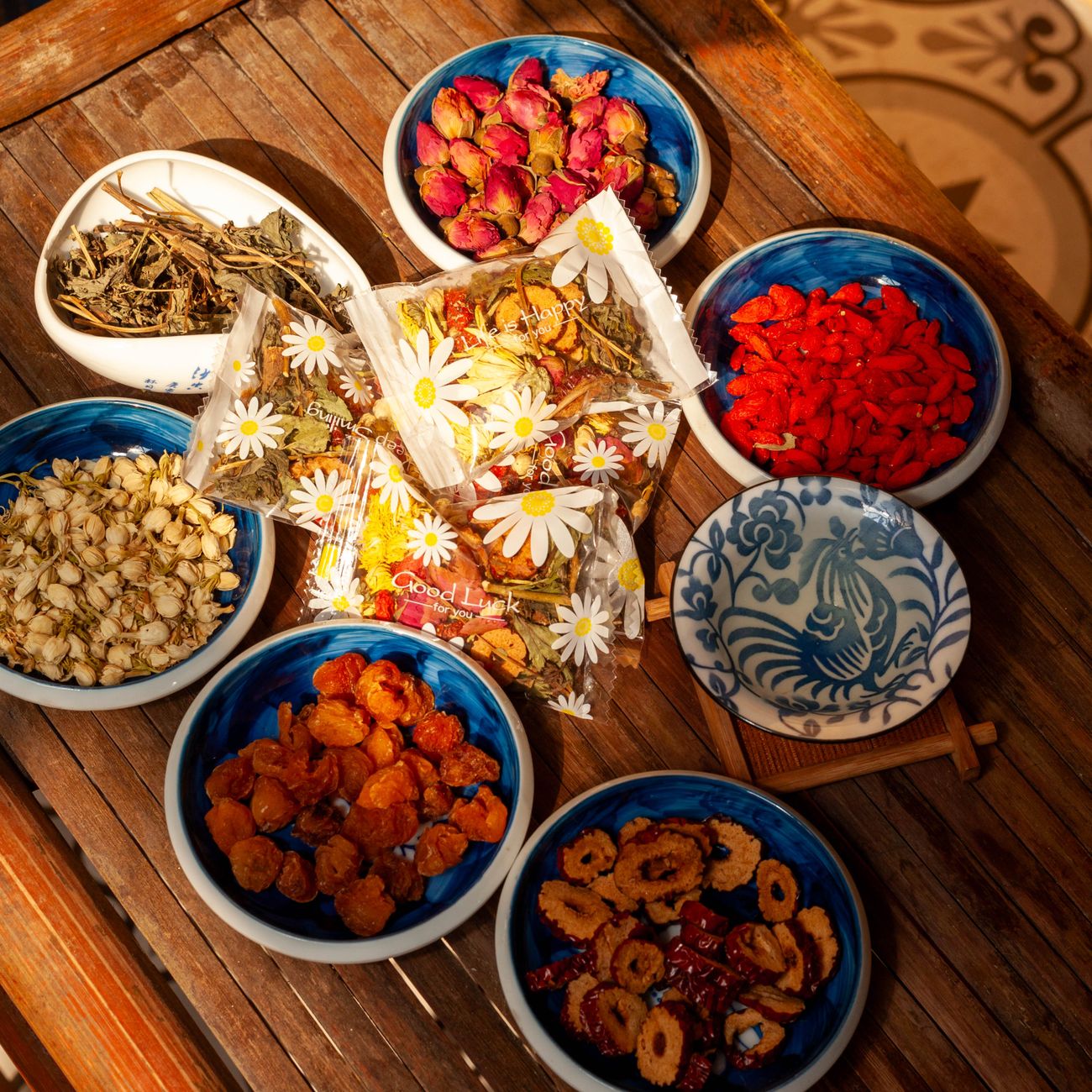
Bali is home to powerful healing botanicals. Turmeric (Kunyit) is a potent anti-inflammatory; Ginger aids digestion and circulation; Moringa (Kelor) is a nutritional powerhouse rich in iron and calcium. These ingredients are thoughtfully integrated into our meal programs to support both physical and emotional recovery.
Hydration and Lactation Support
Emotional wellbeing is also tied to the ease of the breastfeeding journey. Dehydration can lead to fatigue and reduced milk supply, causing significant stress. Our programs include traditional infusions and hydrating broths to support a smooth lactation experience.
Practical Strategies for the Busy Bali Mother
For many women, the challenge isn't knowing what to eat, but finding the time to eat it. This is where Bali postpartum meal delivery becomes a lifeline rather than a luxury.
Meal Prepping for the Fourth Trimester
If you are still pregnant, consider nesting by filling your freezer with nutrient-dense stews and broths. Having ready-to-heat meals ensures you don't reach for processed snacks when the baby finally naps.
Choosing a Bali Postpartum Meal Delivery
For those seeking professional support, our external customer programs offer tailored nourishment delivered to your door. We handle the science, the sourcing, and the slow-cooking, so you can focus on bonding with your baby. Our programs, like the Recovery Rebalance, are designed to stabilize mood and restore vitality during this sacred transition.
The Mindful Eating Environment
In the spirit of Balinese hospitality, we encourage mothers to view mealtime as a moment of rest. Even five minutes of mindful eating can lower cortisol levels and improve digestion. You deserve to be nurtured as much as your baby does.
Navigating the Fourth Trimester with Support
If you find yourself struggling with persistent low mood or anxiety, please remember that nutrition is a powerful tool, but it is one part of a larger support system. Reaching out for professional help is a sign of strength.
At Mama Nurtura, we are more than a meal service; we are a community dedicated to the nurturing of the nurturer. Whether you are an Amarta Mother or a visitor seeking support, we invite you to explore how personalized nutrition can transform your postpartum experience. For a tailored approach to your recovery, you can contact us for a consultation. Nourishing your body is the most profound way to honor the journey of motherhood and protect your emotional wellbeing.
Conclusion
The link between nutrition and postpartum emotional wellbeing is undeniable. By focusing on nutrient density, blood sugar stability, and the gut-brain axis, mothers can build the biological resilience needed to navigate the emotional landscape of early parenthood. At Mama Nurtura, we are honored to provide the healing foods and traditional care that allow mothers in Bali to heal, thrive, and embrace their new roles with clarity and joy.
Frequently Asked Questions
How soon after birth should I start a postpartum nutrition program?
Ideally, you should have your postpartum nutrition plan in place before birth so that nourishing meals are available from day one. The first two weeks are the most critical window for replenishing nutrient stores and supporting hormonal rebalancing. If you are already postpartum, it is never too late to start -- your body will respond positively to targeted nutrition at any stage of recovery.
What are the best local Bali ingredients for boosting postpartum mood?
Bali is rich in mood-supporting ingredients. Turmeric (Kunyit) reduces inflammation linked to mood disorders. Ginger (Jahe) supports digestion and circulation. Moringa (Kelor) is exceptionally high in iron, calcium, and B-vitamins -- all essential for energy and neurotransmitter production. Local dark leafy greens provide folate, while Balinese cacao is a natural source of magnesium for nervous system support.
Can nutrition help with postpartum anxiety as well as the baby blues?
Yes. Nutrition plays a significant role in managing postpartum anxiety by stabilizing blood sugar (which affects cortisol levels), replenishing magnesium (which calms the nervous system), and supporting the gut-brain axis (where most serotonin is produced). While nutrition alone may not resolve clinical anxiety, it provides a strong biological foundation that complements other therapeutic approaches. We always encourage mothers to seek professional support alongside dietary changes.
Does Mama Nurtura offer support for breastfeeding mothers with specific allergies?
Yes. Our meal programs can be tailored to accommodate common allergies and dietary restrictions, including dairy-free, gluten-free, and nut-free requirements. We understand that breastfeeding mothers may also need to eliminate certain foods if their baby shows sensitivities. During your consultation, we will discuss your specific needs to ensure every meal supports both your recovery and your breastfeeding journey safely.