Traditional Postpartum Nutrition and Science: Bridging Ancient Wisdom and Modern Recovery
Is traditional postpartum wisdom still relevant? Explore the synergy between ancestral food practices and modern nutritional science to support your recovery during the sacred window after birth.
The period immediately following childbirth—often referred to as the 'Fourth Trimester' or the 'Sacred Window'—is a time of immense physiological and emotional transition. For centuries, traditional cultures have used specific dietary protocols to facilitate healing, support lactation, and restore the mother's energy. Today, as we navigate a world of fast-paced recovery and clinical checklists, many women are looking back to these traditions. The good news? Traditional postpartum nutrition and science are increasingly found to be in beautiful alignment.
At Mama Nurtura, we don't believe you have to choose between grandmother's wisdom and the doctor's advice. Instead, we integrate the two, creating a nutritional framework that honors the ancestral while meeting the rigorous standards of perinatal science. Whether you are an Amarta Nurtura mother or a family seeking postpartum meal delivery in Bali, understanding this intersection is the first step toward a deeply nourished recovery.
The Science of Thermal Nutrition: Why Warming Foods Matter
If you speak to a traditional Balinese healer or an Ayurvedic practitioner, they will tell you that a new mother is 'cold' and needs 'heat.' While this sounds metaphorical, it has a significant basis in traditional postpartum nutrition and science. After birth, the body undergoes a dramatic drop in core temperature and a shift in blood flow as the uterus begins the process of involution.
Thermogenesis and Metabolic Rate
Traditional warming foods—such as those containing ginger, black pepper, and cinnamon—induce diet-induced thermogenesis. This slightly raises the body's internal temperature, which can support a metabolic rate that has been taxed by the demands of labor. Science suggests that maintaining a stable internal temperature is crucial for enzymatic reactions that facilitate healing.
Improving Digestive Efficiency
Postpartum digestion is often sluggish due to hormonal shifts and the physical displacement of organs during pregnancy. Traditional wisdom dictates avoiding raw, cold salads in favor of warm, cooked meals. Modern nutrition confirms that cooking breaks down plant fibers and denatures proteins, making nutrients easier to absorb when the digestive system is compromised.
Supporting Blood Circulation for Tissue Repair
Warming ingredients are often vasodilators. By improving circulation, these foods ensure that oxygen and healing nutrients reach the site of the uterus and any perineal or surgical wounds. This is a core tenet of the healing postpartum foods we include in our Postpartum Restore program.
Ancestral Healing Ingredients Under the Microscope
Bali is a treasure trove of functional ingredients that have been used in Jamu (traditional herbal medicine) for generations. When we look at these through the lens of modern pharmacology, the results are striking.
Turmeric and Curcumin: Managing Post-Birth Inflammation
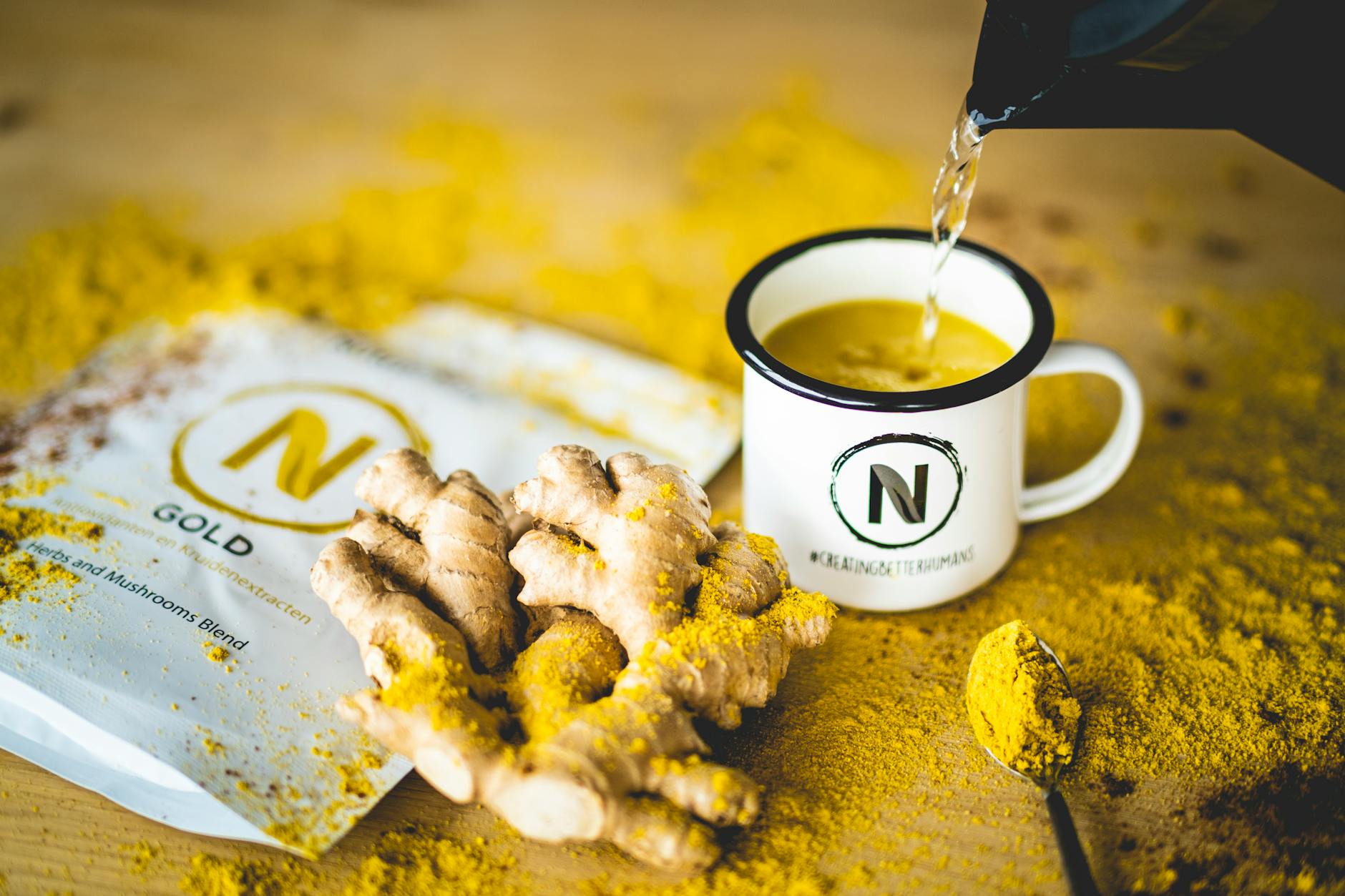
Turmeric is a staple of Balinese postpartum care. Its active compound, curcumin, is a well-documented anti-inflammatory agent. Science shows that curcumin can help modulate the inflammatory cytokines that peak after childbirth, potentially reducing physical discomfort and supporting the immune system without the side effects of some over-the-counter medications.
Ginger: The Role of Gut Health in Hormonal Balance
Ginger is more than just a warming spice; it is a powerful prokinetic that helps with gastric emptying. In the context of confinement diet science, ginger aids in reducing the bloating and constipation that many women face post-birth. Furthermore, a healthy gut is the primary site of serotonin production, which is vital for stabilizing mood during the early weeks of motherhood.
Moringa and Galactagogues: Traditional Lactation Support
In many tropical cultures, Moringa (Kelor) leaves are fed to breastfeeding mothers. Modern analysis reveals Moringa is an exceptional source of iron, calcium, and Vitamin A. It also acts as a natural galactagogue, supporting milk supply through its nutrient density rather than just hormonal manipulation. This makes it a cornerstone of nutrient-dense postpartum meals.
Protein and Collagen: The Foundation of Physical Recovery
Traditional postpartum diets almost universally feature long-simmered bone broths and slow-cooked stews. This is perhaps where traditional postpartum nutrition and science harmonize most clearly.
Collagen Synthesis and Pelvic Floor Healing
During pregnancy and birth, the body's connective tissues are stretched and sometimes torn. Collagen and gelatin, found in abundance in traditional broths, provide the amino acids glycine, proline, and hydroxyproline. These are the literal building blocks required to repair the pelvic floor and abdominal tissues.
Bioavailable Iron for Replenishing Lost Stores
Iron deficiency is a common challenge after birth. Traditional meals often utilize organ meats or slow-cooked red meats, which provide heme iron—the most bioavailable form for the human body. Ensuring these levels are restored is critical for preventing the extreme fatigue often mistaken for normal new-mother exhaustion.
Glycine: The Amino Acid for Restful Sleep and Repair
Glycine, found in traditional nose-to-tail eating, has been shown to improve sleep quality and have a calming effect on the central nervous system. For a mother whose sleep is fragmented, the inclusion of glycine-rich foods can make a profound difference in her cognitive function and emotional resilience.
Hormonal Harmony: Bridging Blood Sugar Stability and Tradition
The Baby Blues are often linked to the precipitous drop in estrogen and progesterone after the placenta is delivered. However, nutritional science shows that blood sugar instability can significantly exacerbate these mood swings.
The Role of Healthy Fats in Breast Milk and Brain Health
Traditional diets are often rich in fats—think coconut milk in Bali or ghee in India. Science tells us that the brain is 60% fat and that the DHA content of breast milk is directly influenced by maternal intake. By prioritizing these healthy fats, we support both the mother's cognitive health and the baby's neurological development.
Managing the Baby Blues Through Nutrient Density
Micronutrients like B-vitamins, magnesium, and zinc are co-factors for neurotransmitter production. Traditional meals, which focus on whole foods rather than processed convenience snacks, naturally provide these in higher concentrations. This is why our philosophy focuses on whole-food nourishment rather than synthetic supplementation.
Traditional Grains vs. Modern Glycemic Control
While some modern diets shun carbohydrates, traditional postpartum wisdom includes grounding grains like black rice or red rice. These complex carbohydrates provide a steady release of glucose, preventing the sugar crashes that lead to irritability and fatigue. The key is the preparation—soaking and sprouting, as done traditionally, increases nutrient bioavailability.
A Bali-Based Approach to Modern Postpartum Care
At Mama Nurtura, we are privileged to operate in a landscape where healing is part of the cultural fabric. Our Bali postpartum support is unique because it combines this local wisdom with high-standard clinical insights.
Sourcing Local: The Volcanic Soil Advantage
The produce in Bali, grown in mineral-rich volcanic soil, possesses a nutrient density that is hard to replicate. By using locally sourced, organic ingredients, we ensure that the traditional recipes we prepare have the highest possible vibrancy—a term used by locals that translates scientifically to high phytonutrient content.
Balinese Hospitality as a Component of Healing
Science now recognizes that the way we eat is as important as what we eat. The parasympathetic nervous system (the rest and digest state) must be active for nutrient absorption. Our service model, rooted in premium Balinese hospitality, aims to reduce the mother's stress, allowing her body to actually utilize the nourishment provided.
Tailored Meal Plans: From Postpartum Restore to Rebalance
Every woman's journey is different. Some require more intensive recovery support after a C-section, while others focus on hormonal rebalancing months later. Our programs are designed to meet these specific needs through a blend of traditional postpartum nutrition and science.
Conclusion
The journey of motherhood is a profound transition that demands a specialized approach to nourishment. By looking at the intersection of traditional postpartum nutrition and science, we see that the rituals of the past were not just superstitions—they were intuitive responses to the biological needs of the female body. Whether you are seeking to replenish your iron stores, support your lactation journey, or simply find a sense of groundedness in the midst of new motherhood, the fusion of ancient wisdom and modern evidence provides a powerful path forward.
At Mama Nurtura, we are here to walk that path with you, providing the meals, the science, and the care you deserve during this sacred time. If you are ready to experience the synergy of science and tradition, we invite you to explore our tailored meal programs. Whether you are an Amarta Nurtura mother or an external customer in Bali, our team is dedicated to supporting your recovery with clinical credibility and warmth.
Ready to Begin Your Nourished Recovery?
Frequently Asked Questions
Why are warming foods recommended after birth?
Warming foods support thermogenesis and circulation during a time when the body is in a 'cold' state, directing energy toward healing rather than processing difficult-to-digest foods.
How does Balinese Jamu support postpartum recovery?
Balinese Jamu uses potent anti-inflammatory ingredients like turmeric and ginger that modern science confirms help reduce postpartum inflammation, support the gut microbiome, and assist hormonal rebalancing.
Can I follow a traditional confinement diet while still getting modern medical nutrients?
Absolutely. Traditional confinement diets and modern clinical nutrition are highly compatible. Our meal programs are specifically designed to honor both frameworks simultaneously.
What are the best local Bali ingredients for breastfeeding mothers?
Moringa (Kelor), turmeric, ginger, papaya, and coconut milk are among the most powerful local ingredients for supporting lactation and maternal recovery in Bali.
When should I start a postpartum meal program?
Ideally, you arrange your program during your third trimester so that nourishing meals are ready from day one postpartum, when your body's need for targeted nutrition is at its highest.